
Basement insulation in Lakeville MN - a warmer basement without trapping moisture
Cold floors and a chilly basement usually start where the wood frame sits on the concrete. We seal that first, then decide on the walls.
Request an estimate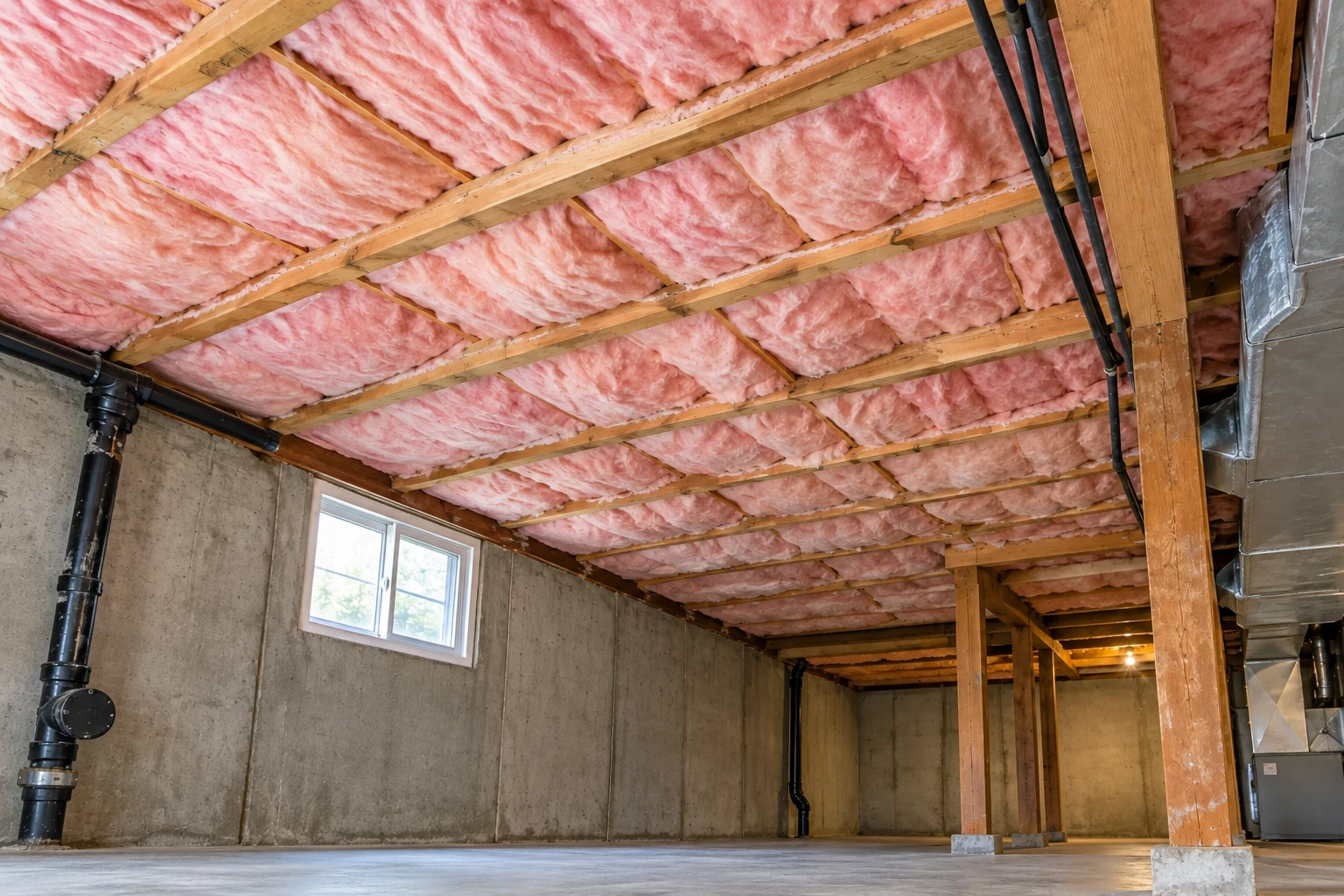
Is it worth insulating your basement in Lakeville?
Basement insulation in Lakeville means insulating the rim joist, where your house's wooden frame sits on the concrete foundation, and sometimes the foundation walls, so less heat leaks out the bottom of the house and the floors above stay warmer.
Most people call us because the floor over the basement is cold, the family room down there never warms up, or the power bill climbs every January. The price moves with how much rim joist and wall you have, whether the walls get insulated at all, which material goes in and how easy it is to reach the work past stored boxes or a finished ceiling. The schedule mostly turns on whether water coming in has to be fixed first and, if you're finishing the space, on the city's inspections. Your own number comes from the estimate, where each part of the job is priced on its own line. We're based in Lakeville and work in many of the cities around it, so if yours isn't listed, call and ask.
How we handle basement insulation
I usually suggest starting at the rim joist, because it's a simple job that pays back well and it's where a lot of basements leak air around the sill. Before anything goes in, I check the walls for water coming in, since insulation over a wet wall just holds the problem in place, and any leak gets dealt with first. At the rim joist, our crew pulls out the loose fiberglass that's often stuffed in the bays, fits insulation to each bay and seals the edges so air can't slip around it. Whether we go on to the walls depends on whether your basement stays dry through the wet months, and if it doesn't, I'll tell you to leave them bare.
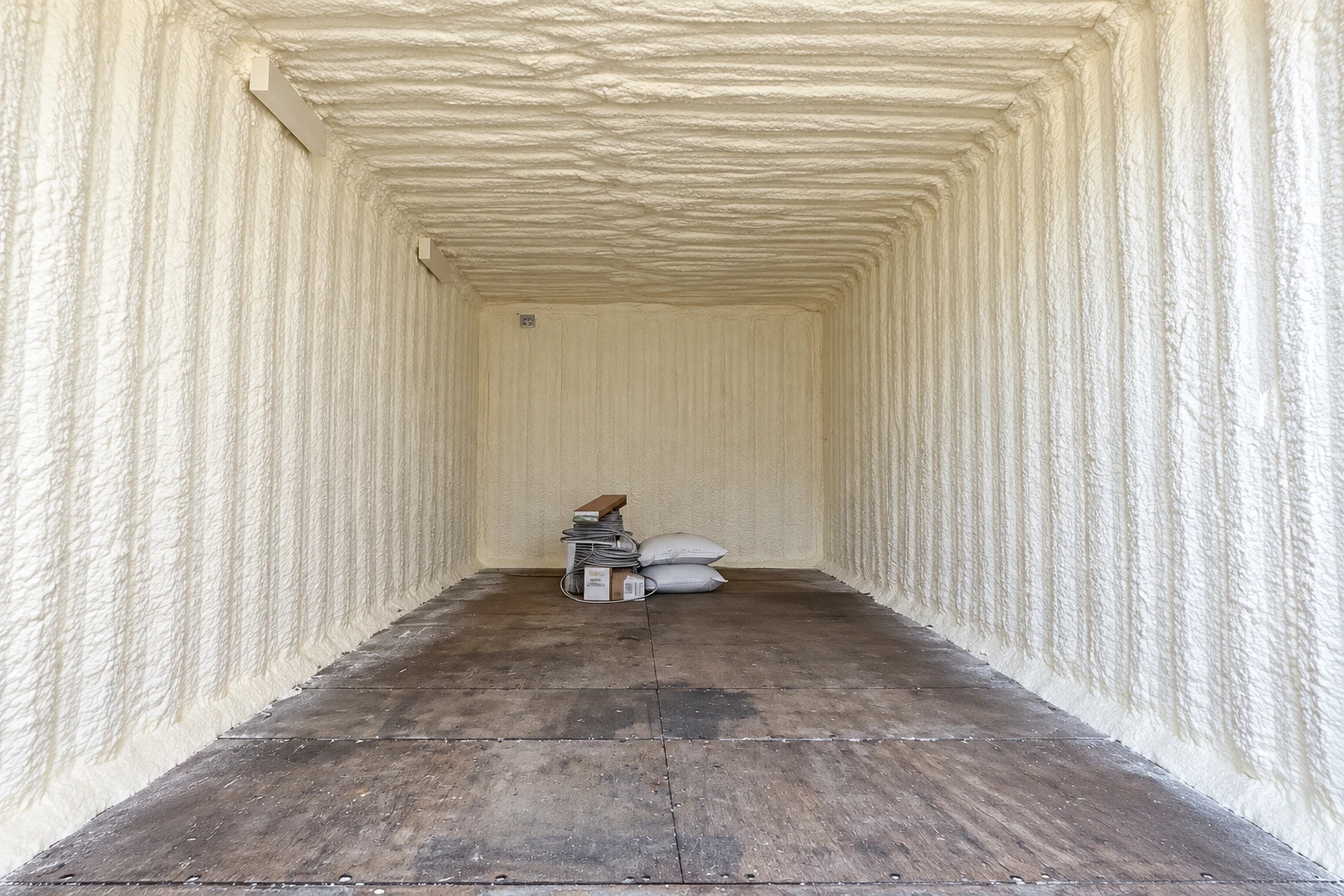
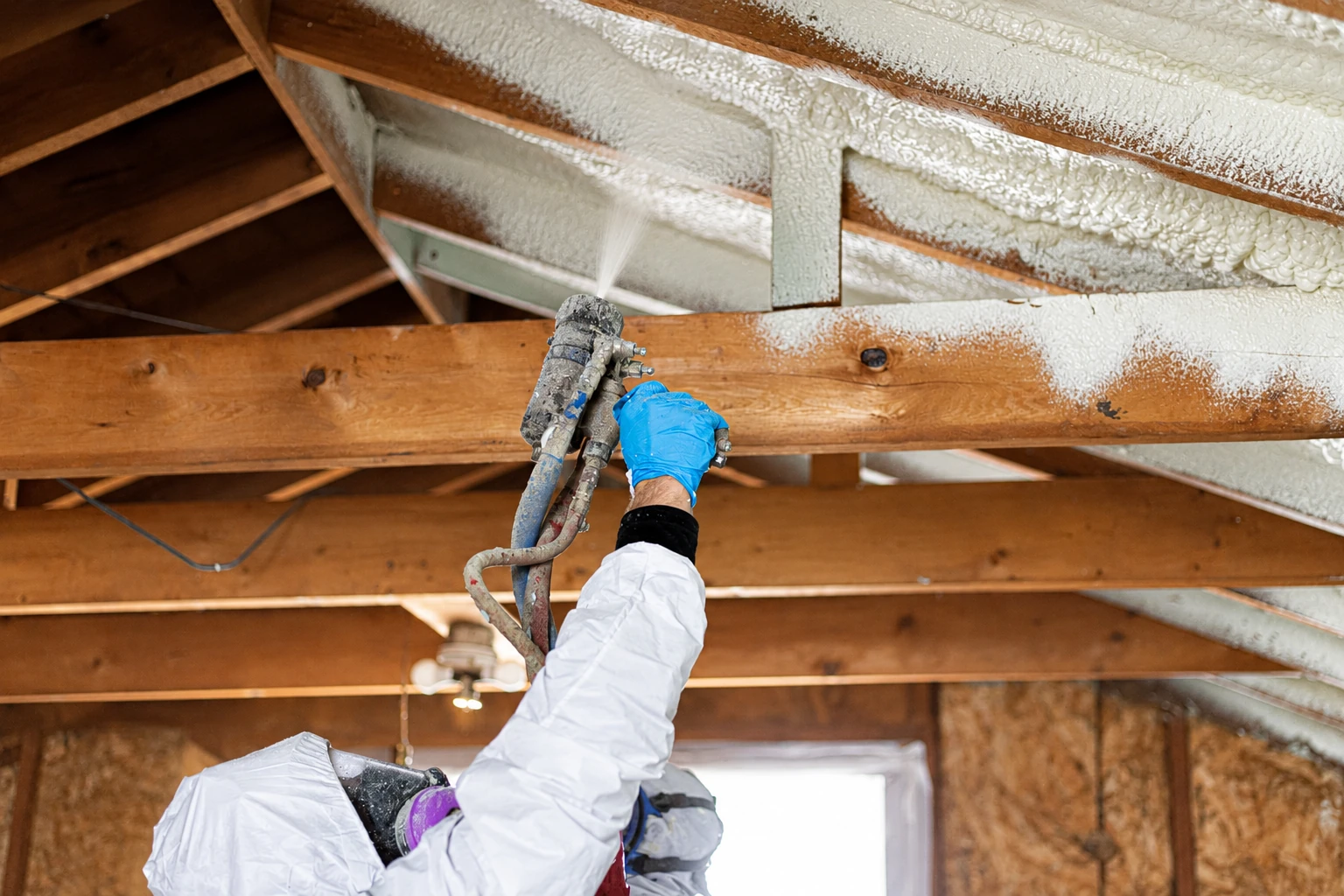
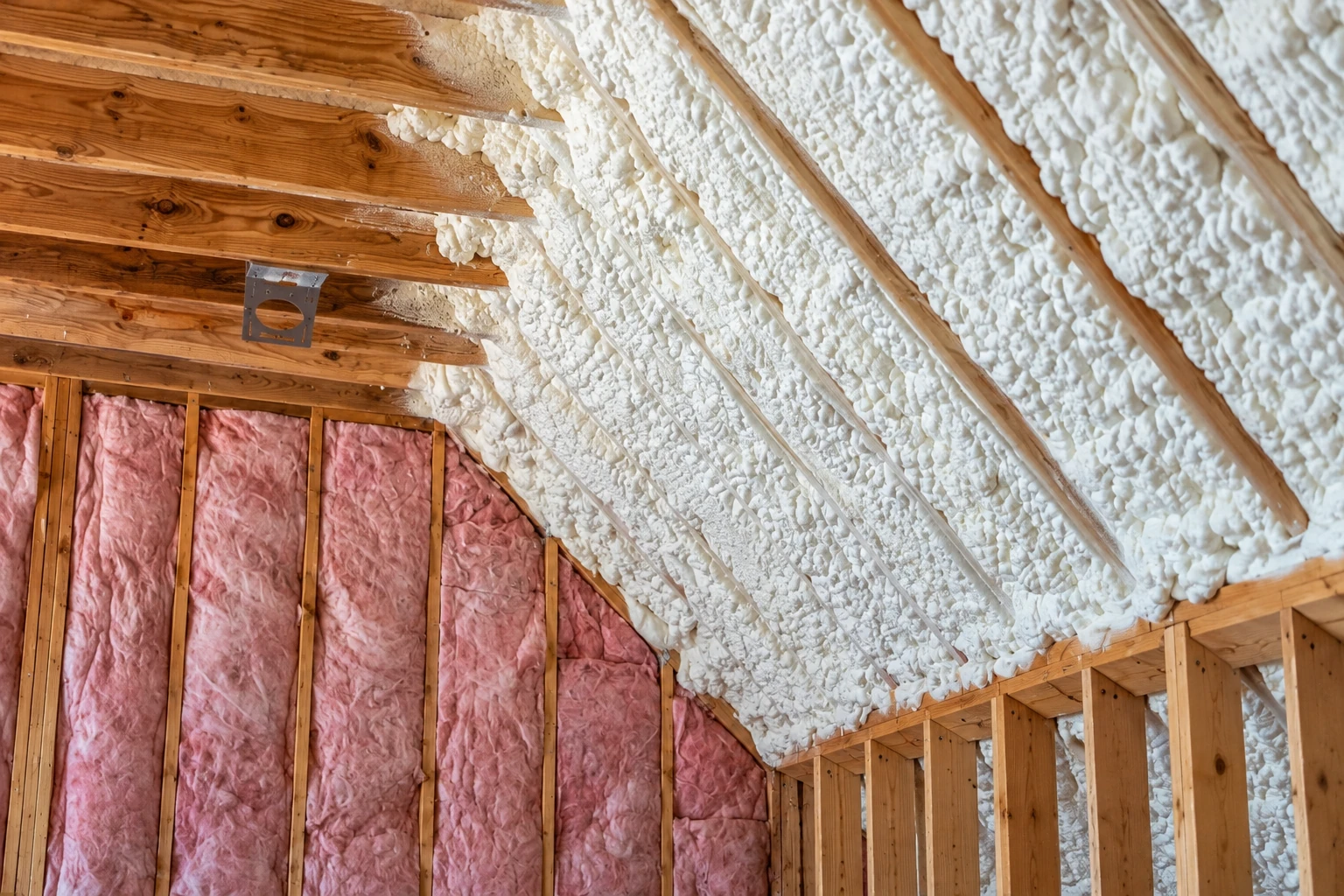
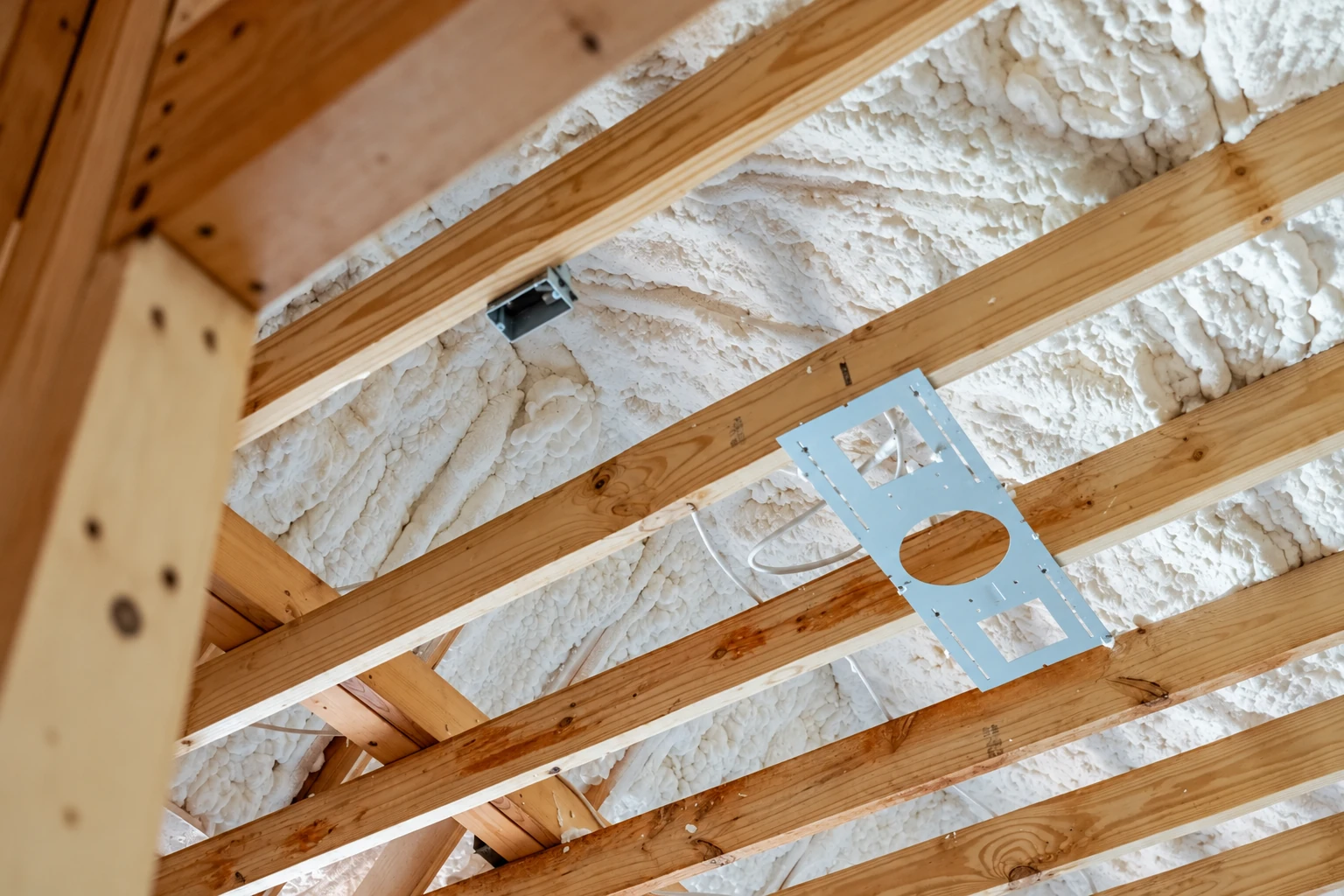
Foam is the main choice we'll talk through. Closed-cell foam insulation is dense spray foam that blocks moisture and seals air as it goes on, which suits a rim joist or a dry wall, though it costs more than board. Open-cell foam insulation is softer and lets moisture pass, so it usually belongs upstairs in walls and rooflines rather than against basement concrete. We'll sort out which one fits your basement at the estimate.
Basement insulation rules in Lakeville
The City of Lakeville requires a permit to build, alter or repair a building, and the city's Building Inspections office answers questions before any work starts, so that's where to ask whether your particular job needs one. When a job calls for a permit, we pull it, sign for it and set up the inspections, and if we're not sure, we check with the city's building office before we start. If you're finishing the basement under a permit, the city inspects the framing and insulation once they're in but before anything covers them, after the rough-in electrical work has been approved. Rigid foam gets drywall or another approved covering when the insulation maker calls for it. Minnesota's energy code also sets rules for insulation on the inside of foundation walls, so a frame wall has to stay off the concrete, and a block wall has to drain through each block core to an approved drainage system.
Around Lakeville we see plenty of poured concrete basements in newer neighborhoods and some older block foundations, and the rim joist is often bare or stuffed with a little fiberglass that doesn't stop air. Wet springs are when water tends to show itself, so I ask how your basement does in March and April before suggesting anything on the walls. We see the same mix on jobs in Apple Valley and Farmington.
- Call (651) 268-6023
- Mon–Fri: 7 AM–10 PM, Sat–Sun: 6 AM–11 PM
- Lakeville, MN 55044
What happens when you call about basement insulation?
Call or send a message
Tell us roughly how big the basement is and whether it's ever had water in it. We'll set up a time for me to come take a look.
I look at your basement
I check the rim joist, the walls and any signs of water, answer your questions and write up the estimate. If something has to be fixed first, like water coming in, I tell you before we schedule anything.
Our installers do the work
The crew starts at the rim joist and moves to the walls only if they're part of the plan you approved. When they're done, I walk through it with you so you can see what went in.
Why Lakeville homeowners call Quality Lakeville Insulation Services for basement insulation
I come out to every estimate
I come out myself to look at your basement and write the estimate, and our installers do the work. That way you're explaining your house to the person planning the job, not to someone passing notes along.
In business here since 2017
I started on the sales side of insulation, then learned the trade in basements, attics and crawl spaces before starting this business in Lakeville in 2017. I know how easy it is to push the bigger job, so if board and good sealing at the rim joist will do, that's what I'll write up.
Licensed and insured for Minnesota homes
We're licensed and insured. Minnesota requires a license for residential contractors and remodelers who take on more than one kind of skilled work on a home, so it's worth asking any contractor about theirs.
On a basement, getting the order right matters more than the material you pick. Set up a visit and I'll look at yours.
Request an estimateGet a free on-site estimate for your basement insulation
We reply within one business day, then I come out to look at your rim joist, walls and any signs of water and write up a free estimate. There's no obligation to go ahead with it.
- Licensed and insured.
- Phone
- (651) 268-6023
- Location
- Lakeville, MN 55044
- Hours
- Mon–Fri: 7 AM–10 PM, Sat–Sun: 6 AM–11 PM
Questions about basement insulation in Lakeville
Where should I start insulating my basement?
Start at the rim joist, the band of wood resting on top of the foundation. The state's energy guide calls it the least expensive part of a basement to insulate, and because it usually sits above ground with little moisture risk, it's a sensible first step on a tight budget.
Should I insulate my basement walls on the inside or the outside?
Outside insulation protects best against heat loss, moisture and mold, but on an existing house it usually costs more and means digging along the foundation, which is a much bigger, messier job. The state's energy guide says to leave the inside of the walls bare unless the basement has a very low risk of moisture, because bare walls can dry out. If your walls get damp, I'd rather seal the rim joist and leave them alone than dig up your yard.
How much does basement insulation cost in Lakeville?
Insulating a basement in the Minneapolis area usually costs about $1.50 to $2.50 per square foot, and that's the going range there, not our price. A rim-joist-only job is a lot smaller than a full set of walls, and if water's getting in, that repair comes ahead of insulation in the budget.
What happens to basement insulation if my basement floods?
Insulation on the inside of the walls has to come out completely after a flood, because it's contaminated and it slows the walls from drying. Foam on the outside of the foundation seems to come through with little loss in performance, from what's been seen in the field. If yours has flooded, I'd want to know where the water came from before we put anything back.
What is the best insulation for a basement rim joist?
The state's energy guide recommends rigid foam board cut to fit each bay and caulked or foamed in place to stop air leaks. Fiberglass isn't recommended there because it doesn't make an air-tight seal, and that seal is most of the point at the rim.
How do I know if my basement is dry enough to insulate the walls?
Check the walls for water coming in before anything else, because federal guidance says to fix that first and direct rain and runoff away from the foundation walls. Damp spots, a musty smell or white chalky lines on the concrete after a thaw or a hard rain are the usual signs, and I'll look for them at the estimate.
Foam options for your basement
Closed-cell foam insulation
Dense spray foam for spots where you want air sealing and moisture control in one coat, like a rim joist with tight, awkward bays.
Open-cell foam insulation
A lighter, softer foam that fills odd-shaped cavities upstairs, where moisture against concrete isn't part of the picture.
Have your basement checked before you insulate
Have the basement's rough size and any history of water coming in ready when you call (651) 268-6023 or use the form, so the visit starts with the right questions.
Request an estimateCall (651) 268-6023